
Smile History: The Evolution of Dental Implants
January 30, 2026
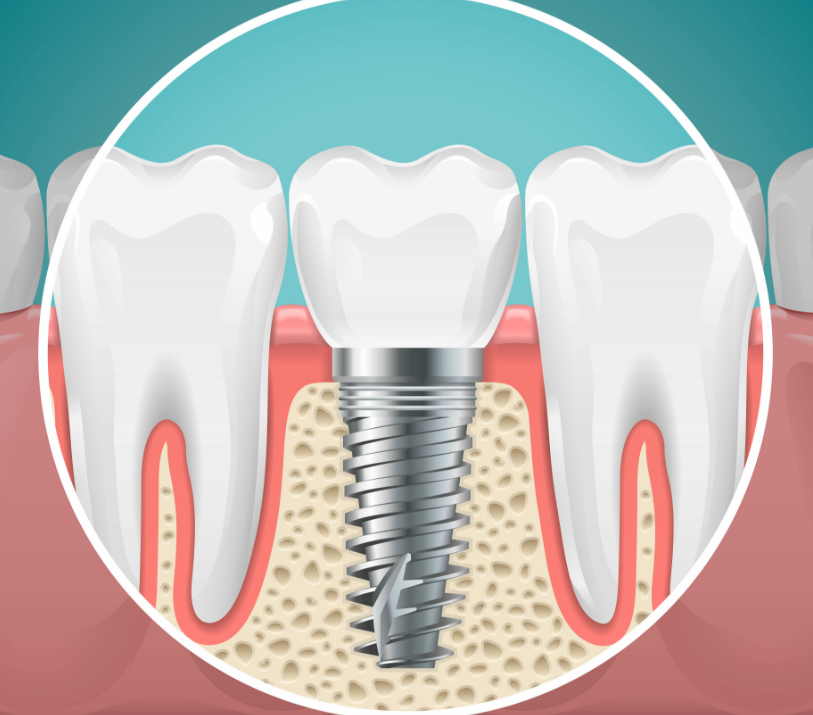
Dental implants are often thought of as a modern solution for missing teeth, but the idea of replacing teeth with artificial roots has been around far longer than most people realize. In fact, dental implants have gone through centuries of experimentation, refinement, and innovation before becoming the reliable treatment option we know today.
Understanding how dental implants evolved helps explain why today’s implants are so successful, comfortable, and long-lasting.
Early Attempts at Tooth Replacement
The earliest versions of dental implants date back thousands of years. Archaeological findings suggest that ancient civilizations experimented with replacing missing teeth using materials like shells, carved stones, or pieces of bone. While these early attempts were creative, they lacked the biological understanding needed for true success.
Without proper integration between the implant and the jawbone, many early tooth replacements were unstable or short-lived. Still, these efforts laid the groundwork for future discoveries by proving that the idea of anchoring replacement teeth directly into the jaw was possible.
The Discovery That Changed Everything
A major breakthrough in dental implant history occurred in the mid-20th century with the discovery of osseointegration. This term describes the process by which bone naturally bonds to certain materials placed within it.
Researchers found that titanium, in particular, had a unique ability to fuse with bone tissue without being rejected by the body. This discovery completely transformed dental implant treatment, making implants far more predictable and durable than earlier designs.
Titanium implants allowed for a strong, stable foundation that could support crowns, bridges, and dentures with long-term success.
How Implant Design Has Improved
While titanium remains the most commonly used material, implant design has continued to evolve. Early implants were relatively simple in shape, but today’s implants are carefully engineered to mimic the structure of natural tooth roots.
Advancements in surface technology have also played a key role. Modern implants often feature textured or treated surfaces that encourage faster and stronger bone attachment. This helps improve healing times and overall stability.
Additionally, improvements in diagnostic imaging and treatment planning now allow dentists to place implants with greater precision, reducing risks and improving outcomes for patients.
Benefits of Modern Dental Implants
Today’s dental implants offer benefits that early versions simply couldn’t provide. They are designed to look, feel, and function like natural teeth, allowing patients to eat, speak, and smile with confidence.
Modern implants are also known for their longevity. With proper care, they can last for decades, making them one of the most reliable tooth replacement options available. They also help preserve jawbone health by stimulating the bone, which can prevent the sunken facial appearance often associated with tooth loss.
Thanks to decades of research and innovation, dental implants are now safer, more comfortable, and more accessible than ever before.
The long journey of dental implant evolution has led to a solution that truly supports both oral health and quality of life.
About the Practice
Region Dental in La Porte provides comprehensive dental services with a focus on restoring healthy, confident smiles. The La Porte community can count on Dr. Berquist and Dr. Ornelas for specialized dental implant treatment tailored to each patient’s needs. Our doctors use modern techniques and materials to achieve long-lasting, natural-looking results. Find your perfect smile in our dental chair!
Call us at (219) 362-8980 or request an appointment online.
No Comments
No comments yet.
RSS feed for comments on this post.
Sorry, the comment form is closed at this time.